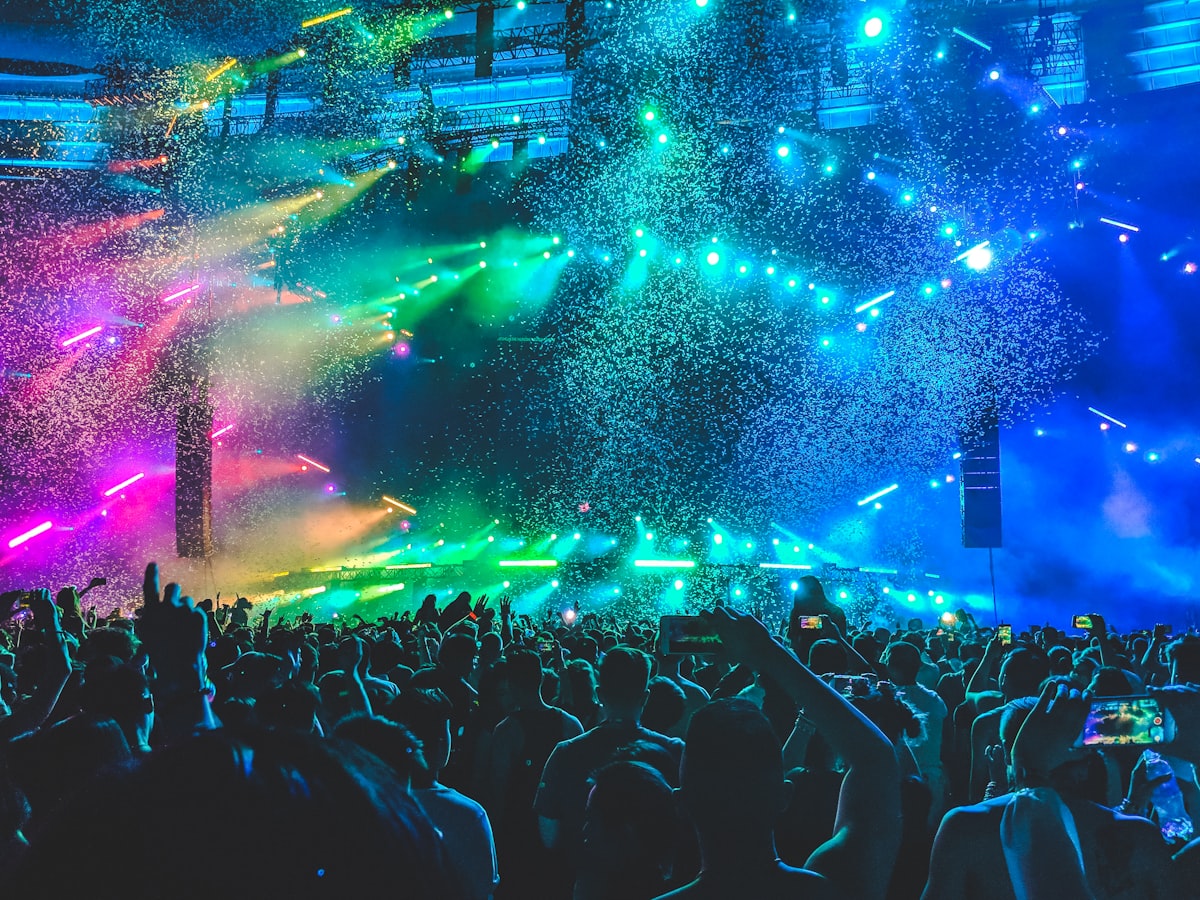

Securing a face-value ticket to an A-list stadium concert has evolved into one of the most competitive experiences in modern entertainment. As algorithms adjust ticket prices in real time based on instantaneous demand spikes, unprepared fans often find themselves facing eye-watering surges within minutes of an on-sale beginning.
Fortunately, understanding how primary ticketing queues and algorithm-driven waiting rooms function gives you an enormous tactical advantage. Here is the field-tested strategy our live music analysts use to secure prime seats without paying inflated markups.
1. The Art of Presale Stacking
More than 60% of prime stadium inventory is allocated and sold during specialized presale windows before the general public sale ever opens. Waiting for the general sale is the single most common mistake fans make.
- Artist Fan Club Presales: Almost every major stadium tour (from Coldplay to Oasis) hosts a dedicated fan club presale. Registering 48 hours prior to the announcement deadline is mandatory.
- Credit Card Partner Allocations: Mastercard, American Express, and Citi hold massive blocks of face-value seats reserved exclusively for their cardholders. Keep your eligible card saved in your ticketing profile in advance.
- Venue & Promoter Presales: AEG, Live Nation, and individual venues (like London Wembley or MetLife Stadium) offer newsletter subscriber presales 24 hours prior to general drop.
“The secret to beating dynamic pricing is never buying during peak surge velocity. Presales lock in fixed face-value pricing tiers before demand algorithms take over.”
2. How Dynamic Pricing Algorithms Actually Work
Dynamic pricing—often labeled by platforms as “In Demand Tickets” or “Platinum Seating”—is triggered when concurrent queue traffic exceeds available supply by a specific ratio. The algorithm increases prices incrementally (sometimes from $120 to $450) while buyer traffic remains at a fever pitch.
However, these algorithms are bidirectional: if seats remain unsold after the initial 90-minute buying frenzy, the pricing algorithm gradually recalibrates downward toward baseline face value. If you encounter surge pricing on the first tier, wait until the initial surge queue subsides rather than panic-buying.
3. Critical Queue Mechanics on Drop Morning
Ticketing waiting rooms typically open 10 to 30 minutes before the official drop time. Keep these vital rules in mind:
- Never Refresh the Queue: Modern ticketing software assigns you a cryptographic token when entering the waiting room. Refreshing the browser destroys this token and sends you to the back of the line.
- Single Device, Single Browser Tab: Multiple tabs logged into the same ticketing account flag bot-detection heuristics (like Cloudflare or Akamai), which can lead to temporary IP throttles or queue ejections.
- High-Speed Wired Internet or 5G: Latency matters when thousands of connections establish simultaneous WebSocket handshakes. Use a fast, uninterrupted broadband or mobile connection.
4. Comparing Primary vs. Verified Resale Marketplaces
If you don’t manage to grab tickets during the primary drop, don’t immediately jump onto unauthorized social media forums where ticket fraud is rampant. Legitimate resale marketplaces (such as StubHub, viagogo, and SeatGeek) provide 100% buyer guarantees that ensure verified barcode replacement or full refunds.
Before purchasing, always use TourAndTunes concert price comparison to inspect live pricing across all 31 verified partners and ensure you never pay more than prevailing market value.
Planning Your Next Live Concert Experience?
Never overpay for stadium tickets. Compare real-time prices across 31 verified primary and resale partners on TourAndTunes.